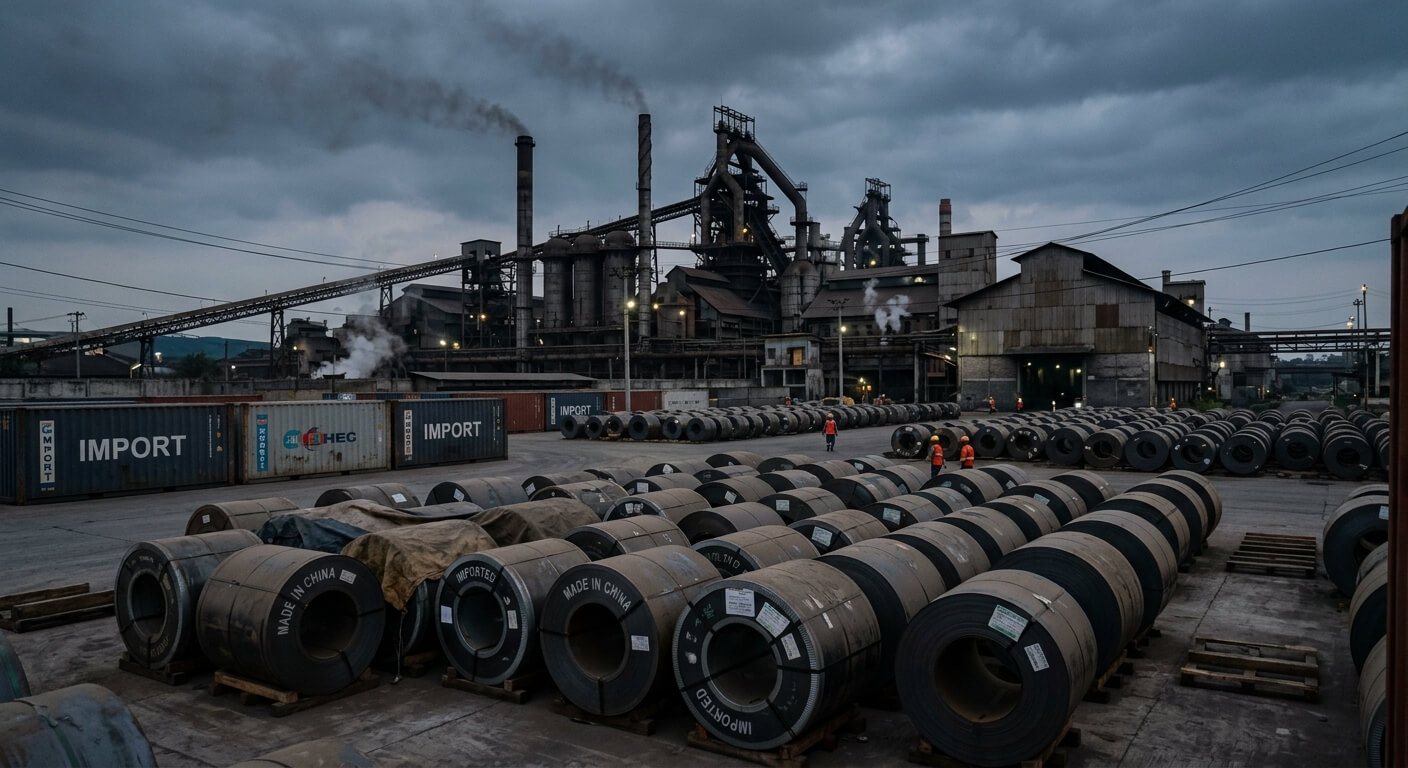
Domestic Mills Starved: Indonesia Still Imports 55% of Steel Demand as Local Utilization Hits 52%
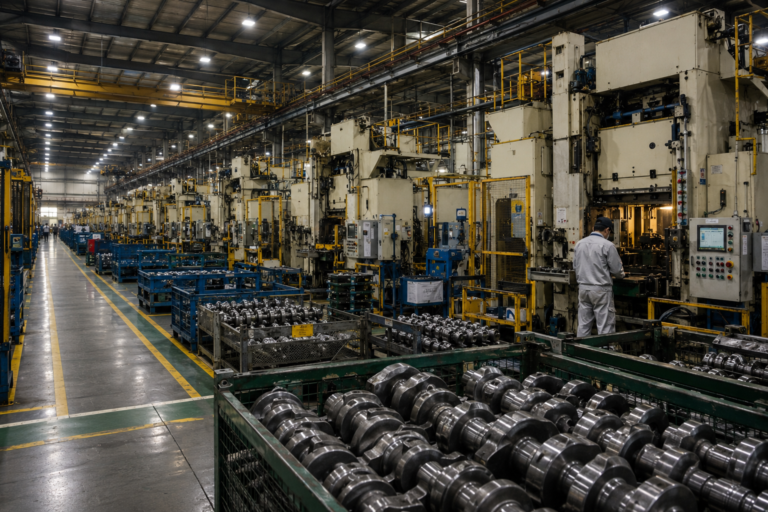
The Indonesian steel industry stands at a critical crossroads, defined by a stark operational paradox. Even as national crude steel production capacity reaches between 15.9 and 16.0 million tonnes, domestic mills are operating at a dangerously low utilization rate of roughly 52%. Meanwhile, foreign products continue to flood the market, with imports fulfilling an estimated 55% of national demand. This widening gap between idle domestic capacity and heavy reliance on overseas supply chains has triggered urgent calls from industry leaders for immediate regulatory intervention and enhanced trade enforcement to protect local producers.
The Utilization-Import Disconnect: Analyzing the Current Market Landscape
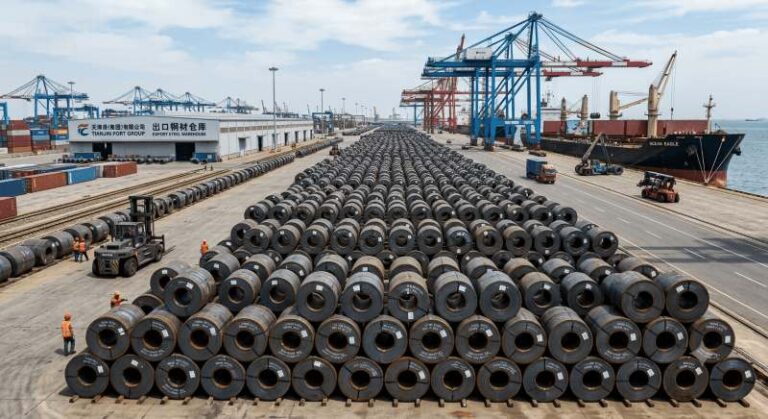
For years, the domestic sector has grappled with structural imbalances. Indonesia has historically relied on imports to cover 40% to 50% of its domestic consumption, but that figure has now escalated to 55%. This heavy reliance persists despite a massive pivot from import substitution to export-oriented growth that propelled Indonesia to become the fourth-largest steel exporter by value as of 2024, with total steel exports soaring from $8 billion in 2019 to $28.5 billion in 2024.
However, this export success masks severe domestic stagnation. According to Harry Warganegara, Executive Director of the Indonesian Iron and Steel Industry Association (IISIA), factory utilization rates have dropped significantly from 62% in 2023 down to the current 52% baseline—far below the healthy industrial threshold of 80%. Bridging this 28% gap remains one of the Ministry of Industry’s most pressing challenges as local producers struggle to absorb overhead costs against a backdrop of unyielding foreign competition.
“At present, our factory utilization rate averages only around 52%, far below the industry’s ideal level of roughly 80%,” noted Harry Warganegara, Executive Director of IISIA.
Cheap Foreign Supply: The Impact of Chinese Dumping on Local Margins
The core driver behind the current capacity squeeze is the relentless influx of low-cost foreign material, particularly from Chinese producers. This influx has created what industry advocates term an unfair business environment, where local mills find it difficult to compete on price alone. To counter these persistent pricing distortions, trade authorities have implemented multiple anti-dumping duties against specific steel imports. Yet, circumvention via complex supply chain routes and specific Harmonized System (HS) codes remains a persistent vulnerability.
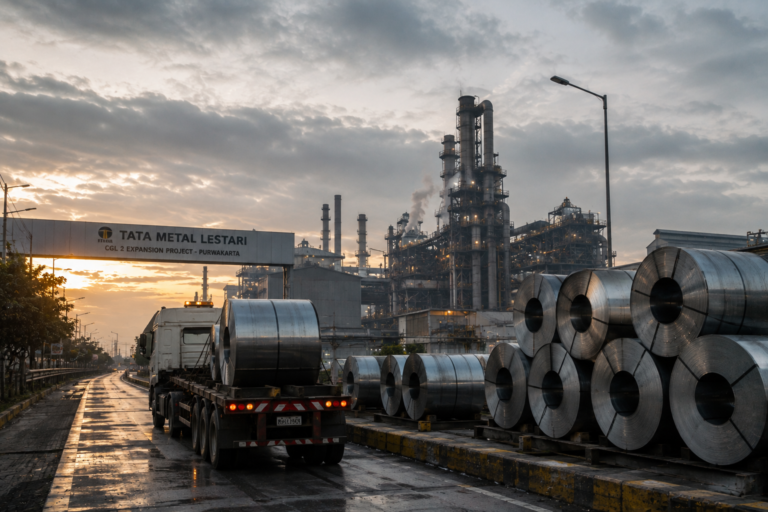
Procurement managers across the archipelago are also navigating unprecedented price volatility in core inputs. Hot-Rolled Coil (HRC) steel prices recently hovered around $1,218.05 USD/T, marking a staggering 46.4% surge compared to the same period in previous cycles, with market forecasts anticipating a slight cooling period toward $1,207.58 USD/T for the third quarter. This volatility adds immense cost pressure to Engineering, Procurement, and Construction (EPC) tenders, forcing project developers to carefully weigh international benchmarks against domestic availability.
Regulatory Shield: Why SNI and TKDN are the Industry’s Best Defenses
To restore market balance, industry stakeholders are turning toward stricter regulatory enforcement. The mandatory application of the Indonesian National Standard (SNI) is widely viewed as a crucial baseline to ensure that all steel products sold domestically meet identical quality and safety benchmarks, regardless of their origin.
“Mandatory SNI implementation is extremely important to ensure that steel products sold domestically meet the same quality and safety standards, whether they are local or imported,” emphasized Harry Warganegara.
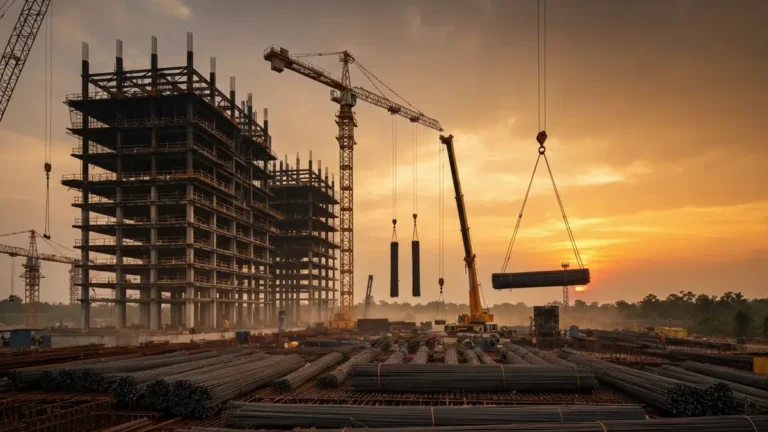
Simultaneously, the strategic application of Local-Content Requirements (TKDN) aims to prioritize domestic steel usage across National Strategic Projects. Under modern frameworks governed by regulations such as Ministerial Regulation No. 1 of 2024 and Ministerial Regulation No. 23 of 2025, compliance is no longer an afterthought. EPC contractors must map out SNI standards and Technical Considerations (Pertek) during the initial design and tender stages. These regulatory instruments evaluate project logic, ensuring that proposed import volumes realistically align with actual construction scopes rather than bypassing local mills through loose paperwork.
Pathway to 80%: Shaping the Future of Indonesia’s Steel Pipeline
Achieving the Ministry of Industry’s target utilization rate of 80% requires a coordinated defense against both unfair trade practices and technological stagnation. Looking ahead to 2026, the sector must also prepare for the implementation of the European Union’s Carbon Border Adjustment Mechanism (CBAM), which will introduce carbon accounting and an estimated 1.82% tariff baseline for ferrous metal exports.
Compounding these trade pressures is a massive domestic capacity expansion pipeline where 93% of planned projects—representing approximately 22.8 million tonnes—rely on high-emission Blast Furnace-Basic Oxygen Furnace (BF-BOF) technology. Experts warn that over-reliance on BF-BOF risks creating between $17 billion and $26 billion in stranded assets as global markets shift toward green steel and Electric Arc Furnace (EAF) alternatives.
To safeguard the future of the nation’s industrial architecture, policymakers and industry leaders must align trade enforcement, rigorous post-border supervision on vulnerable HS codes, and binding decarbonization roadmaps. Only through a unified front of strict SNI enforcement, prioritized TKDN utilization, and strategic technological upgrades can Indonesia transform its import-heavy vulnerabilities into a resilient, highly utilized domestic steel ecosystem.